The Importance of Color Management — Maintaining Consistent Color Appearance
PaPaLaB Color
Measurement

Color appearance can change depending on lighting, materials, surrounding conditions, and individual visual perception.
For this reason, systematic methods are needed to control color consistently and reduce unwanted variation in product appearance. These practices are broadly referred to as color management.
Color management is widely associated with the printing industry, but its scope extends far beyond printing. It refers to the processes and methods used to measure, reproduce, and manage color accurately and consistently across different devices, materials, and products.
This page explains the fundamental concept and importance of color management, including its role in manufacturing and product design.
Contents
The Value of Color Consistency — Small Differences Can Affect Perceived Quality
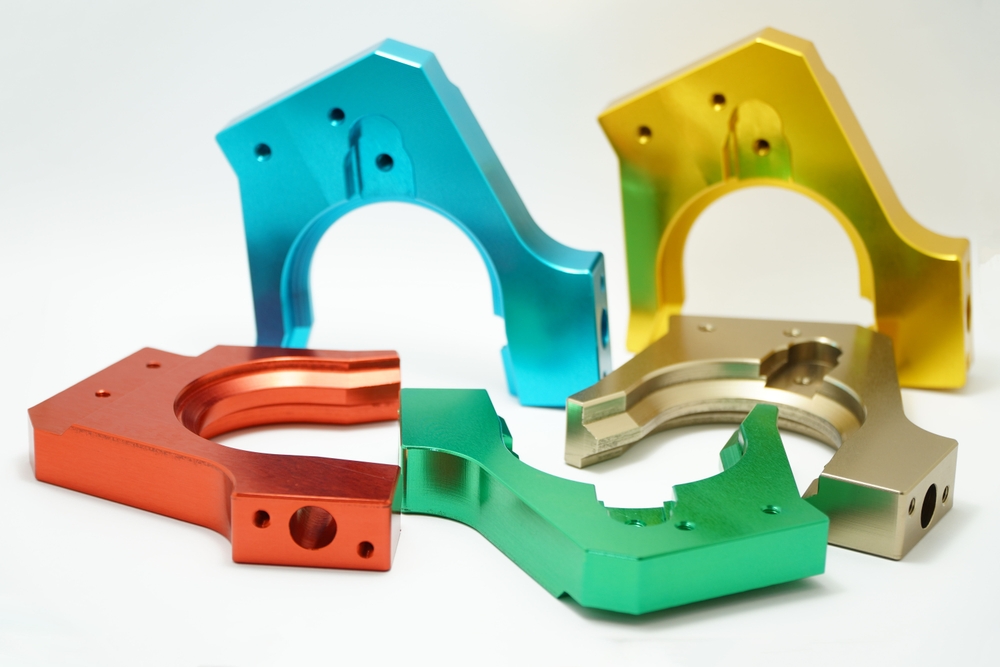
If the body and components of a home appliance have slightly different colors, the entire product may appear less refined or poorly finished.
Likewise, if the color of cosmetic packaging varies from one production lot to another, customers may perceive the product as inconsistent or lower in quality.
These issues are not simply differences in appearance.
Color inconsistency can affect the perceived quality of the finished product, the brand image, and ultimately customer confidence.
That is why reproducing product colors consistently according to the original design requires more than visual evaluation. It requires color management based on numerical data and standardized processes.
The Broader Role of Color Management — Beyond Print Color Matching
When people hear the term “color management,” they often think of workflows such as matching the colors displayed on a monitor to those produced by a printer.
However, color management has a much broader meaning.
Color management can involve a wide range of devices, materials, and processes, including:
– Input devices, such as cameras and scanners
– Display devices, such as monitors
– Output devices, such as printers
– Materials and finished surfaces, such as plastics, metals, paints, and coatings
Today, the principles of color management are increasingly being applied beyond printing to manufacturing and product design.
Typical applications include:
– Color matching between different materials, such as plastic and metal
– Quantifying and sharing brand colors
– Managing color consistency across materials and finishes in CMF design
In these applications, color measurement instruments are used to quantify color and establish common criteria for color control throughout the organization.
The Role of Measurement Instruments — Objective Color Measurement Is the Starting Point
Visual perception of color is not perfectly consistent.
Lighting, surrounding colors, background conditions, and differences in individual visual perception can all influence how a color appears.
For this reason, accurate color management begins with measuring color objectively and expressing it numerically rather than relying on subjective perception.
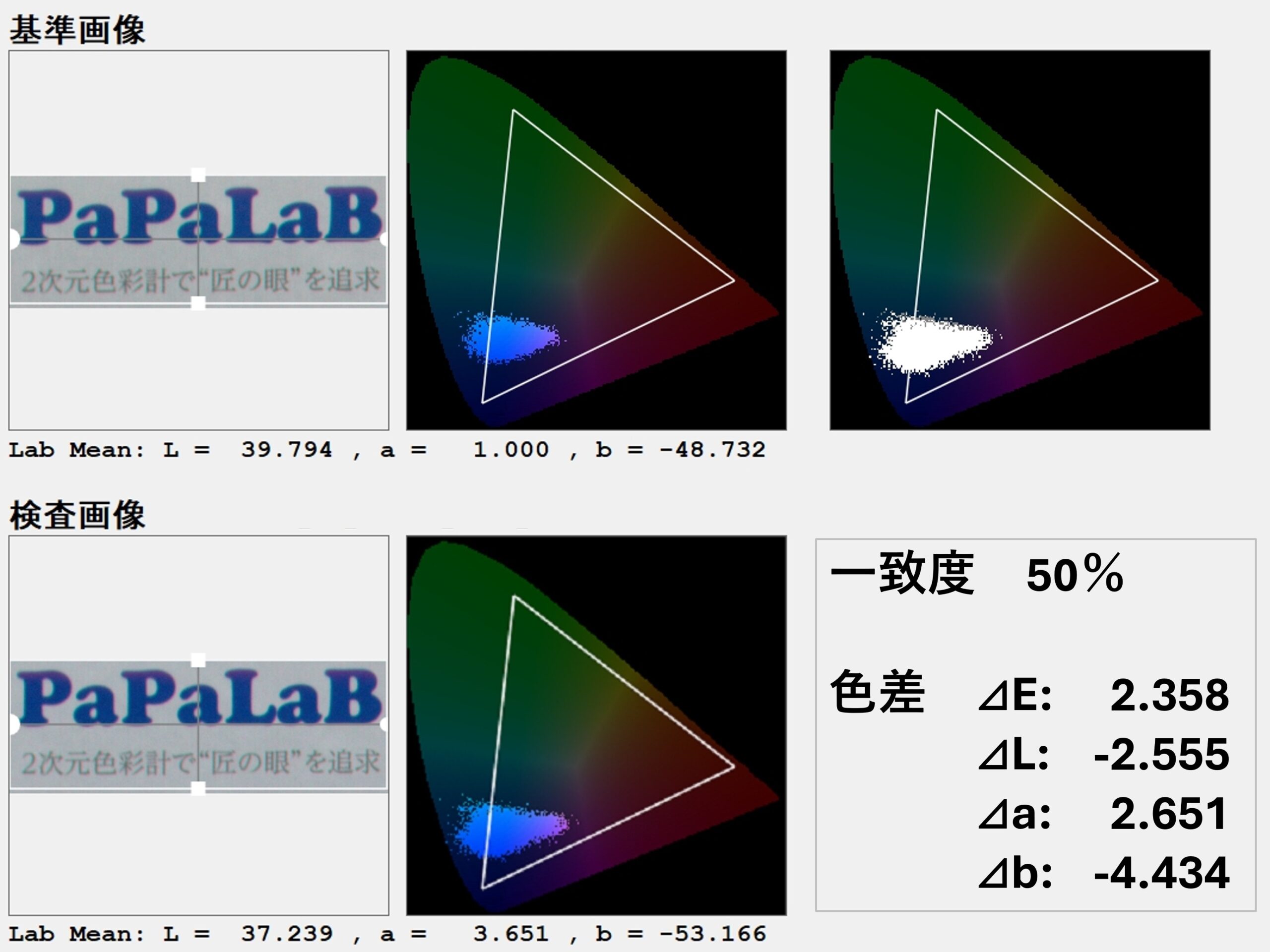
Measurement instruments such as spectrophotometers and two-dimensional color measurement systems make it possible to perform:
– Objective color measurement under standardized conditions
– Quantifying color differences using ΔE
– Comparing colors across different materials using numerical data
These capabilities provide a level of consistency and objectivity that is difficult to achieve through visual evaluation alone.
In other words, effective color management relies on measuring, comparing, and managing color based on objective data.
Measurement Example: Comparative Measurement of Extracted Logo Colors
What Is Color Measurement? — Understanding and Measuring Color AccuratelyColor Management in Manufacturing — Consistency Across Components and Materials
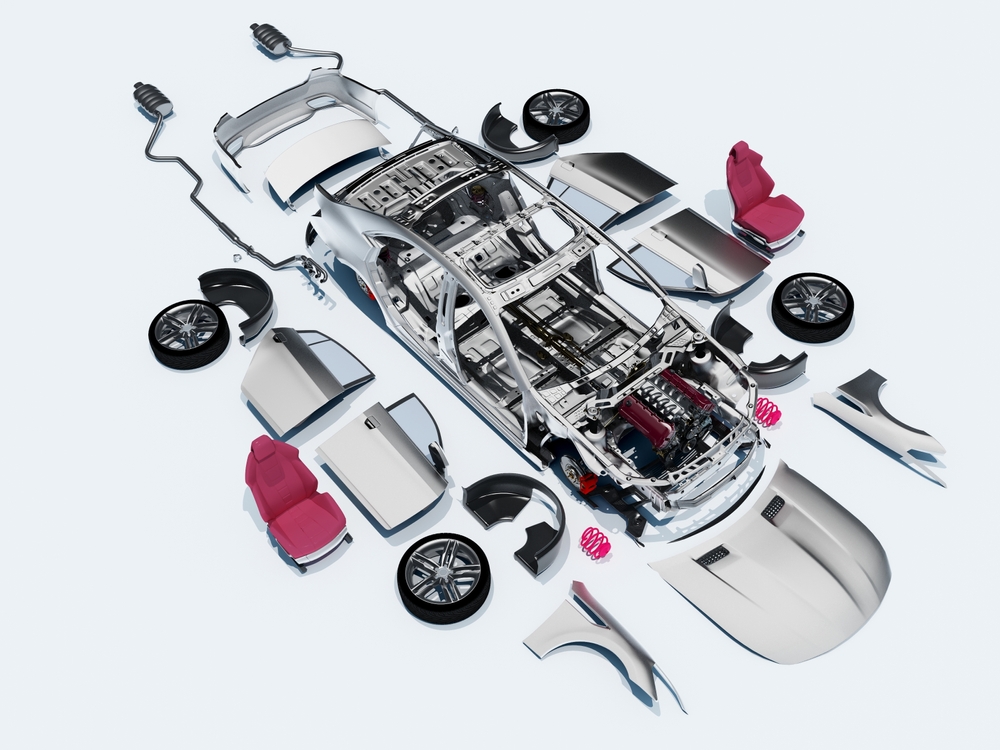
Automobiles, home appliances, building materials, cosmetics, apparel, and many other modern products are made from multiple components and materials.
Even when different materials and manufacturing processes are involved, the finished product is expected to maintain a consistent appearance.
For example:
– A vehicle seat and adjacent interior panels may appear slightly different in color.
– The front and side panels of a home appliance may appear slightly different in color.
– Fabrics used in interior applications may show visible color variation.
These differences can give users the impression of inconsistent quality or poor overall finish.
By defining color numerically starting at the design stage and incorporating color control into production and quality management processes, manufacturers can maintain more consistent product appearance and color quality.
Summary — A System for Maintaining Intended Color Appearance
Color management plays an important role in maintaining the intended appearance of products and brands consistently across design, production, and quality control.
To achieve this, organizations need a way to evaluate and manage color objectively rather than relying on subjective visual evaluation.
PaPaLaB uses camera-based color measurement technology designed to closely approximate the color sensitivity of human vision.
Rather than simply comparing how colors look, the system can generate quantitative data showing:
– Where color differences occur
– In which direction the color has shifted
– The magnitude of the difference
This makes it possible to:
– Visualize subtle color differences that may be difficult to identify consistently by eye
– Quantify color differences objectively
– Share and use color data across design, manufacturing, inspection, and continuous improvement activities
This supports a color management approach that does not depend solely on individual perception.
Color plays an important role in communicating quality, trust, and brand value.
Through objective color measurement and image-based color analysis, PaPaLaB helps companies maintain more consistent color quality and build practical color management systems suited to their manufacturing needs.
Contact
Please feel free to contact us with any inquiries regarding our products, pricing, or quotations.
We also accommodate requests such as “I would like to see how measurement works in practice.”
Trial measurements are available, allowing you to experience actual measurement results firsthand.