PaPaLaB Technology — Next-Generation Color Evaluation with 2D Color Measurement
PaPaLaB Color
Measurement
PaPaLaB’s 2D color measurement systems use dedicated cameras equipped with specialized optical filters designed to closely match the spectral sensitivity of the human eye.
This enables the systems to capture color measurement data that closely corresponds to the way people perceive differences in color. By reflecting human visual perception, the systems enable quality evaluation that more accurately represents how products actually appear.
This makes the technology supporting objective color evaluation, establishing clearer inspection criteria, and reducing reliance on subjective visual inspection.
Contents
Area-Based Measurement Improves Measurement Efficiency and Workflow
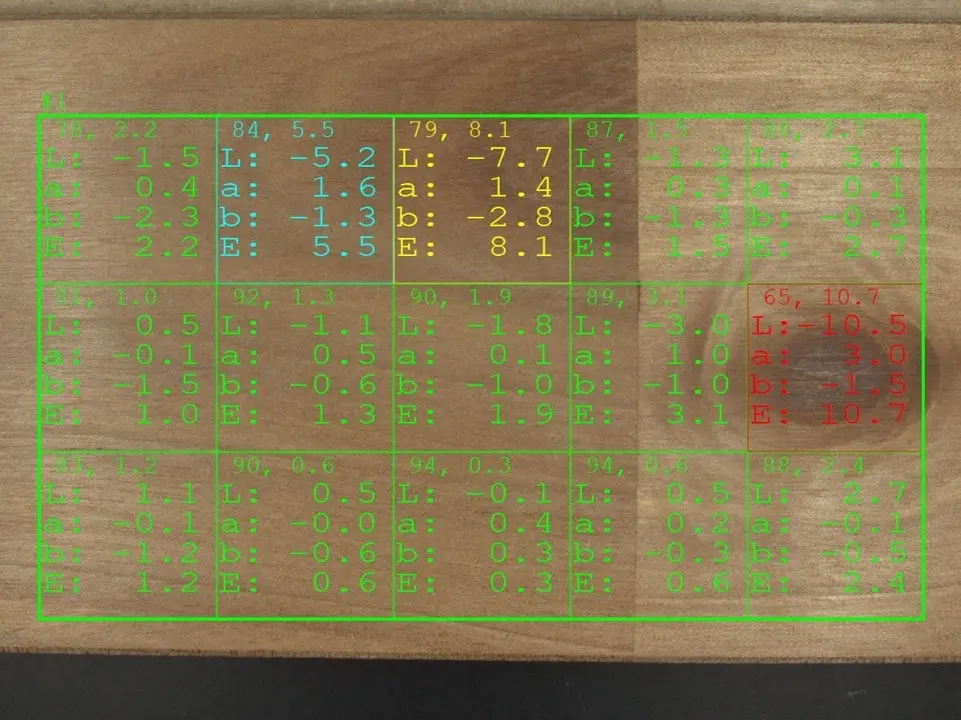
One of the key advantages of PaPaLaB’s 2D color measurement technology is its ability to measure an entire area rather than individual points. This can significantly improve measurement efficiency and streamline workflows in production and quality control environments.
Because the entire target area can be captured and analyzed at once, measurement is considerably more efficient than conventional spot measurement. There is no need to measure multiple locations one by one, reducing both measurement time and operator workload. Processing from measurement to result display is also fast, helping improve overall inspection throughput.
The camera-based system also enables non-contact measurement, making it suitable for soft materials and products whose surfaces should not be touched or damaged. Operation is straightforward: simply position the sample and perform a few basic operations in the software to complete the measurement. This ease of use also supports smooth implementation and consistent operation in production environments.
The initial investment is generally higher than that of conventional single-point color measurement instruments. However, 2D color measurement provides additional value through wide-area analysis, detailed evaluation of color distribution, reduced variation caused by measurement position or operator technique, and enhanced recordkeeping and traceability through image storage. Together, these capabilities can significantly improve the reliability of the overall quality assurance process.
Advancing Quality Assurance by Integrating Image and Color Data
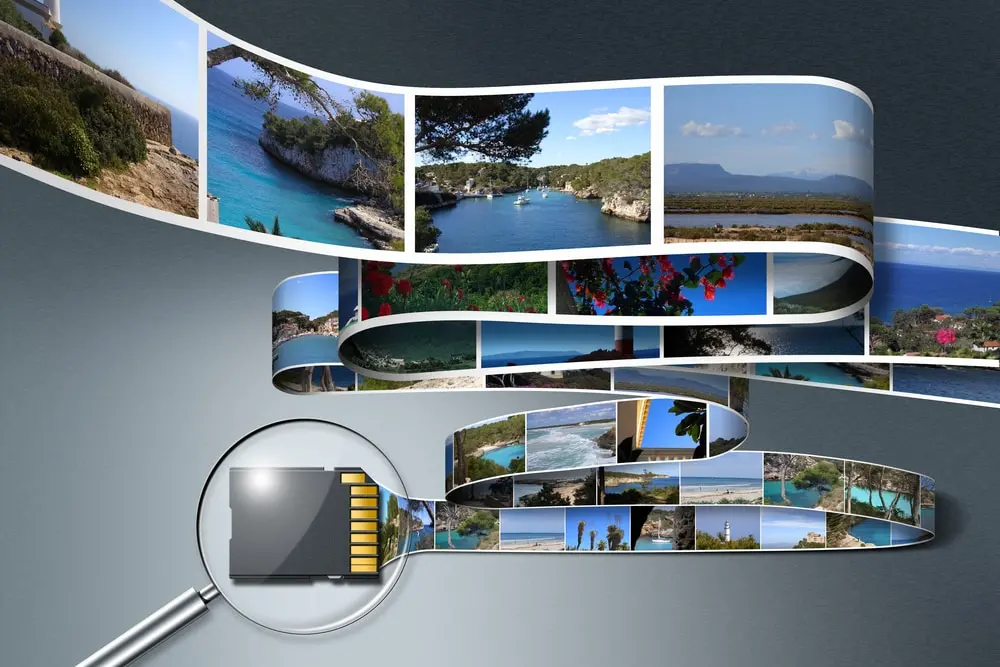
Measurement results from a 2D color measurement system can be stored not only as numerical color data, such as Lab values and color difference (ΔE), but also as images. This makes it possible to retain both objective measurement results and a visual record of the product’s appearance at the time of measurement.
– Combining measurement values with images provides more comprehensive inspection records supported by both numerical and visual evidence.
– Visual characteristics such as color unevenness and gradients can be evaluated together with numerical color data.
– Images of defects and color variations can be stored and analyzed to identify trends over time.
By integrating image and color data in this way, 2D color measurement can enhance quality assurance while also helping establish a common understanding of product appearance among customers, suppliers, and other external partners.
What Makes PaPaLaB Different — Measurement Method as a Foundation for Reliability
PaPaLaB’s 2D color measurement systems use a fundamentally different measurement approach from conventional spot color measurement instruments.
Conventional spot colorimeters typically measure only a small, localized area and require individual locations to be measured one at a time. For objects with color unevenness or gradients, results may therefore vary depending on the measurement location. Measurement position and operator technique can also introduce variation into the results.
In contrast, PaPaLaB’s 2D color measurement systems capture and analyze a wide area at once, enabling consistent color evaluation while reducing the influence of measurement position. Combined with non-contact measurement, fast processing, image storage, and intuitive operation, this approach can improve not only color measurement itself but also the reliability of the overall quality control process.
PaPaLaB technology changes not only what you measure, but how you measure it.
Contact
Please feel free to contact us with any inquiries regarding our products, pricing, or quotations.
We also accommodate requests such as “I would like to see how measurement works in practice.”
Trial measurements are available, allowing you to experience actual measurement results firsthand.