Color Measurement of Textured Surfaces

A method for evaluating color and appearance on textured surfaces where surface texture affects visual quality
Overview
Textured surfaces used in automotive interiors, home appliance housings, and other products can appear different depending on the viewing angle and lighting conditions because fine surface irregularities and gloss affect how light is reflected and scattered.
For this reason, evaluating surface appearance requires not only an assessment of how the surface looks, but also an understanding of the underlying material color. Traditionally, it has been difficult to evaluate these two aspects separately, and visual evaluation has therefore played an important role in assessing surface appearance.
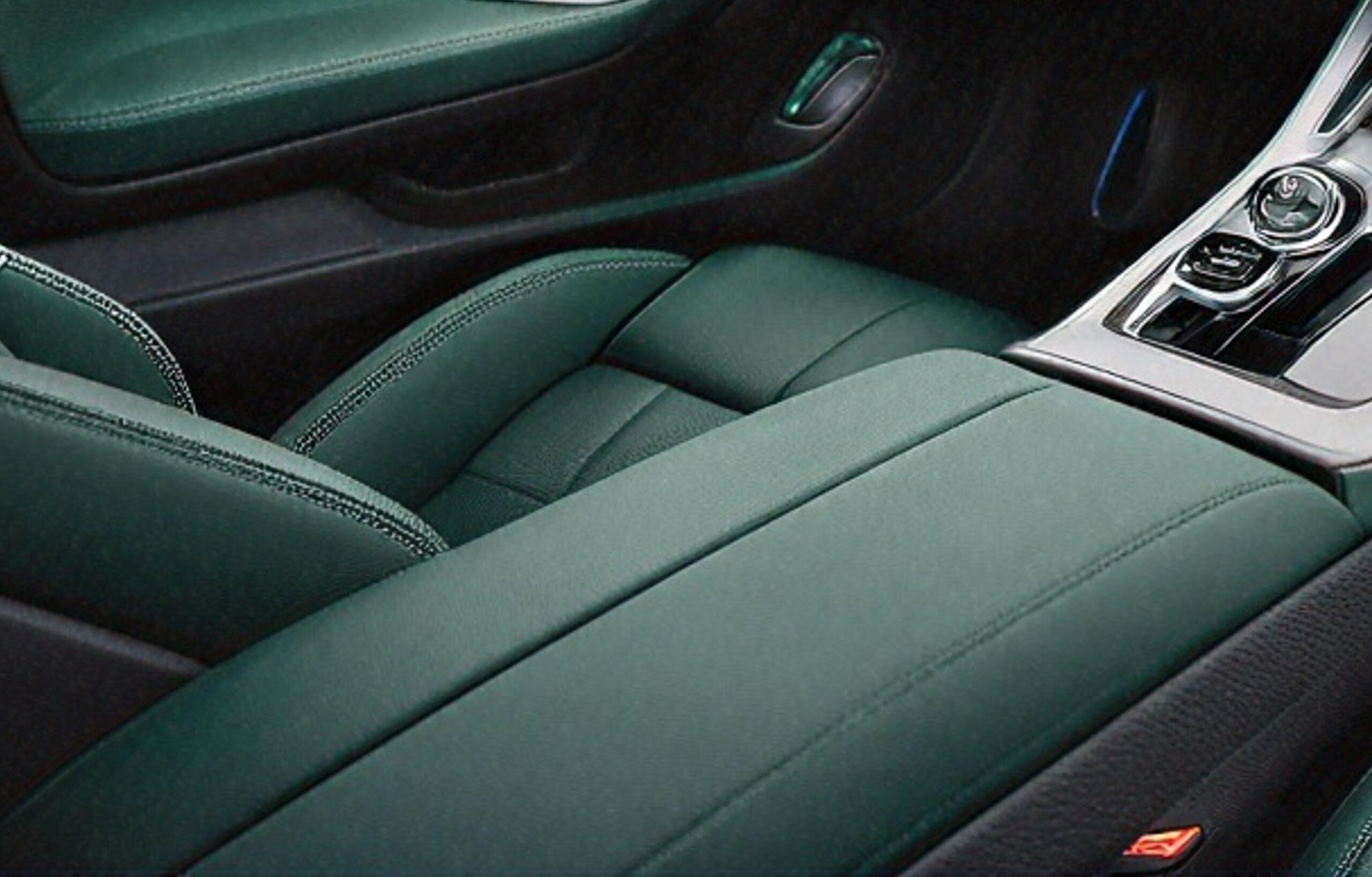
Textured surface finish affecting color appearance
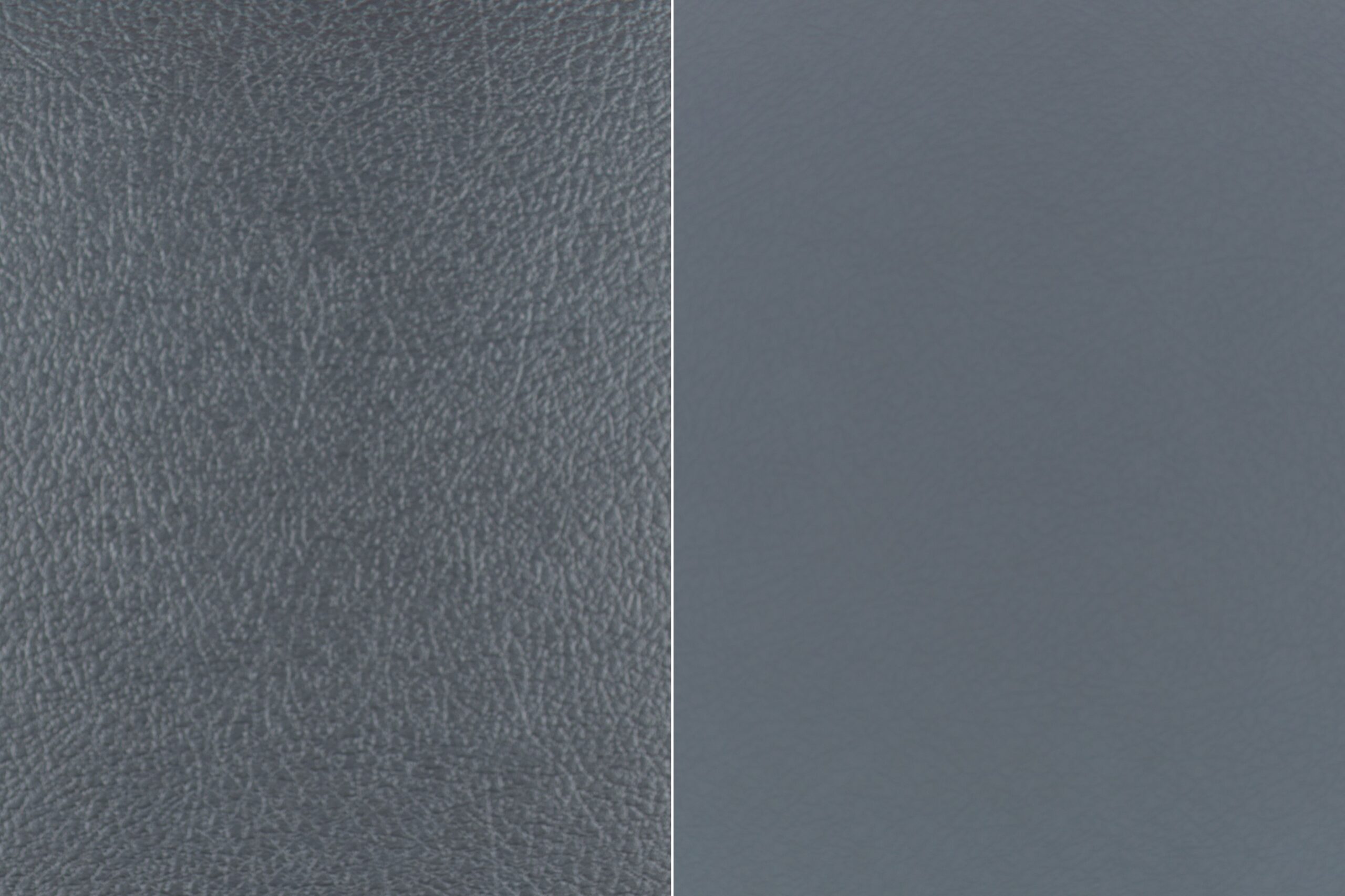
Differences in appearance under different lighting conditions
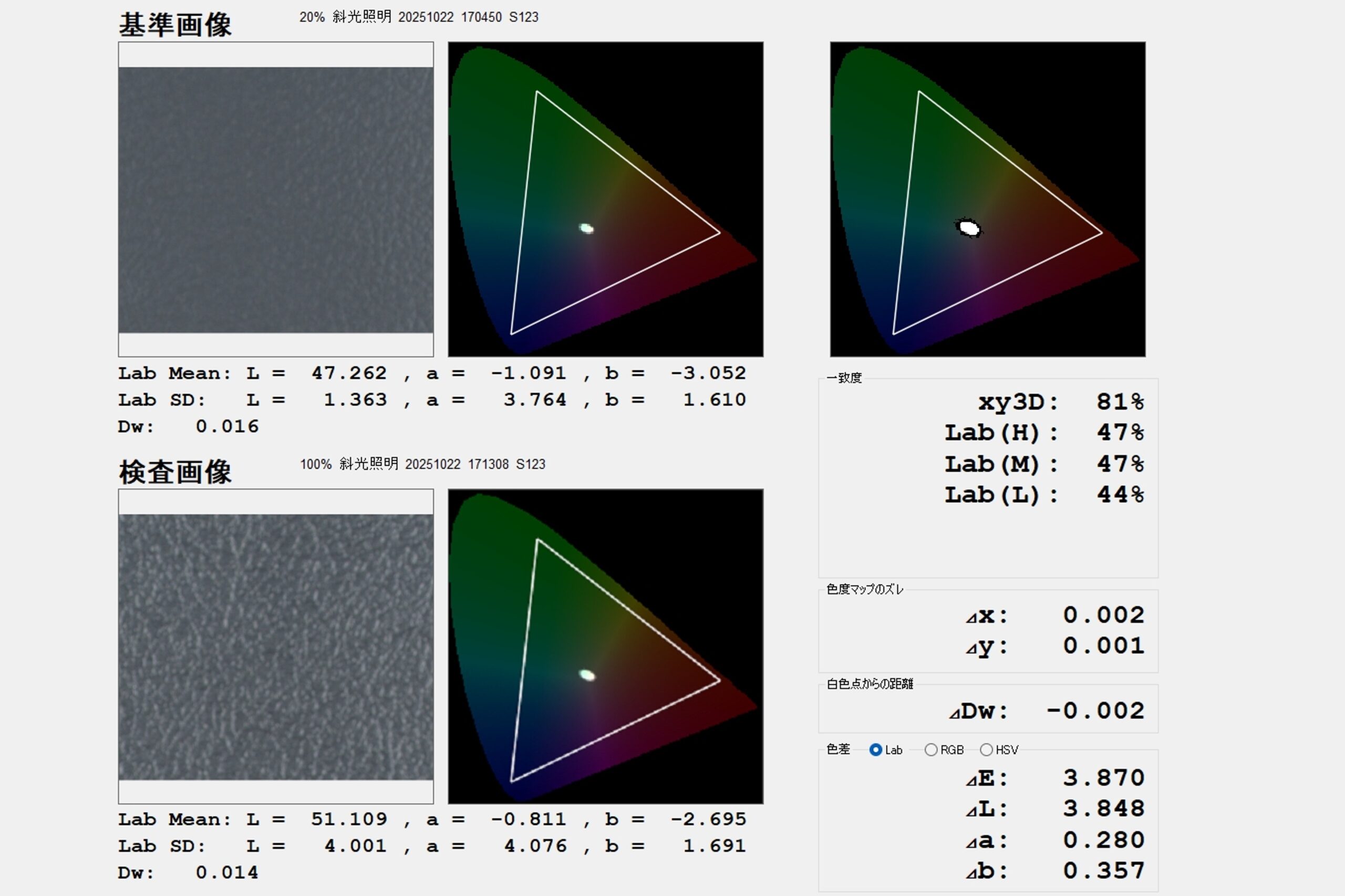
Analysis software
Customer Challenges
Challenges
Challenges in Separating Surface Appearance from Material Color
On textured products, shadows and reflections caused by surface irregularities and gloss can change how the surface appears under different lighting and viewing conditions.
Because conventional spot color measurement instruments measure only a small area, their results can be strongly influenced by localized shadows and reflections, making consistent evaluation difficult.
As a result, surface appearance has often been evaluated visually. However, while visual evaluation can capture the overall impression of the surface, it is difficult to quantify that impression or to evaluate the underlying material color separately from the effects of surface shading.
Benefits After Implementation
Using Different Lighting Conditions to Separate Surface Appearance from Material Color
PaPaLaB’s camera-based 2D color measurement system uses different lighting conditions to evaluate both the visual appearance of a textured surface and the underlying material color.
Under oblique lighting, shadows and reflections caused by surface irregularities are emphasized, allowing the system to capture an image that more closely represents the surface’s visual appearance.
Under diffuse lighting, the influence of surface irregularities, shading, and specular reflection can be reduced, making it easier to evaluate the underlying material color more consistently.
By selecting the appropriate lighting condition for each purpose, the system can support a wide range of applications, from design evaluation to quality control.
Measurement Methods
1. Set the reference
Capture and save an image of the reference sample. Define the measurement area and save the sample as the reference.
2. Inspect the sample
Capture an image of the inspection sample under the same measurement conditions.
3. View the results
Open the Measurement tab to display the inspection results. Measurement data and captured images can also be saved and exported.
Analysis Image
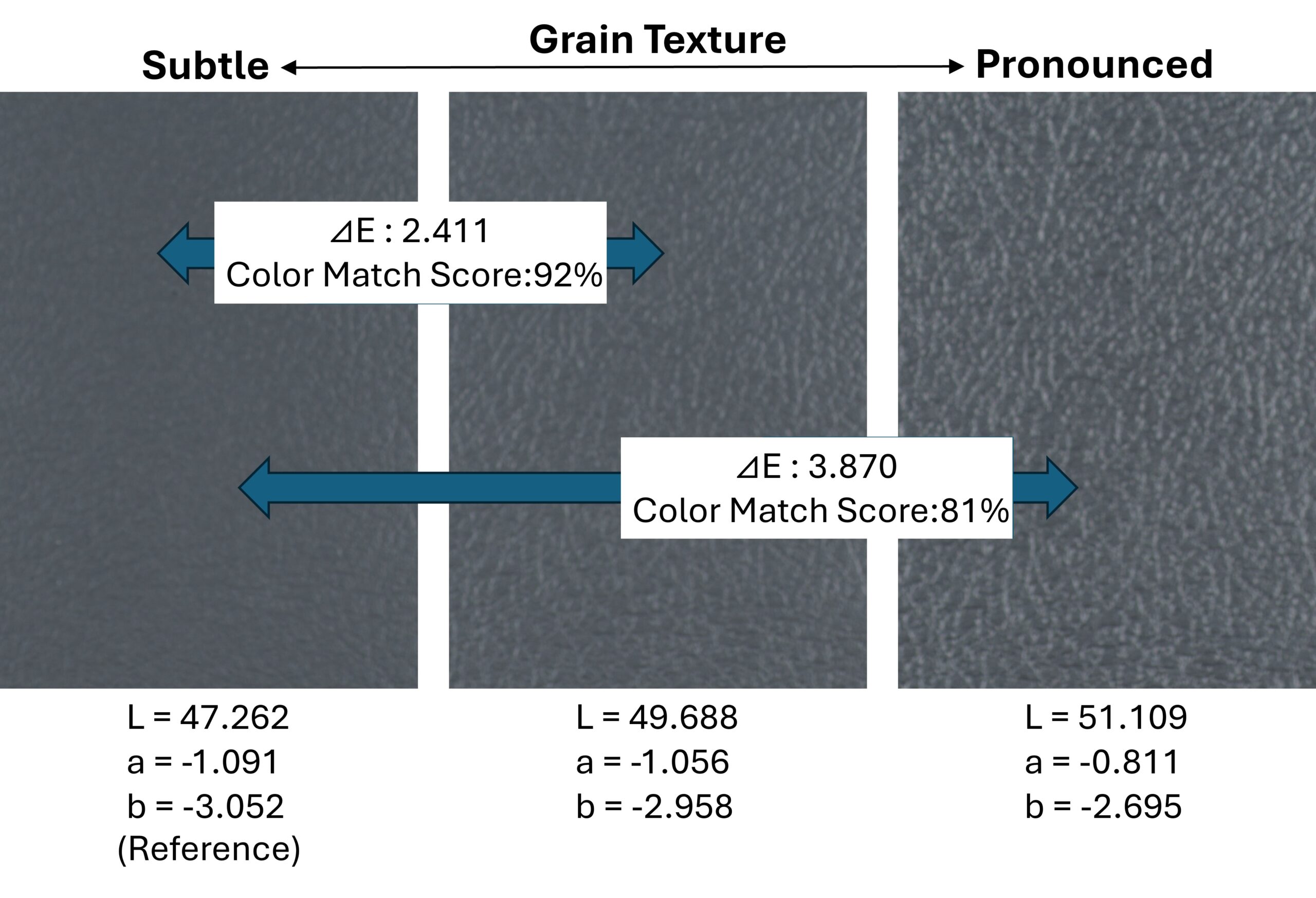
When a sample is imaged under oblique lighting, shadows and reflections caused by surface irregularities are emphasized.
This makes it possible to obtain an image that more closely represents how the textured surface appears under directional lighting. The captured image can be stored as part of the inspection record and reviewed later to confirm the surface condition at the time of measurement.
Color variation and appearance differences influenced by texture, shading, and reflection can also be visually assessed from the captured image.
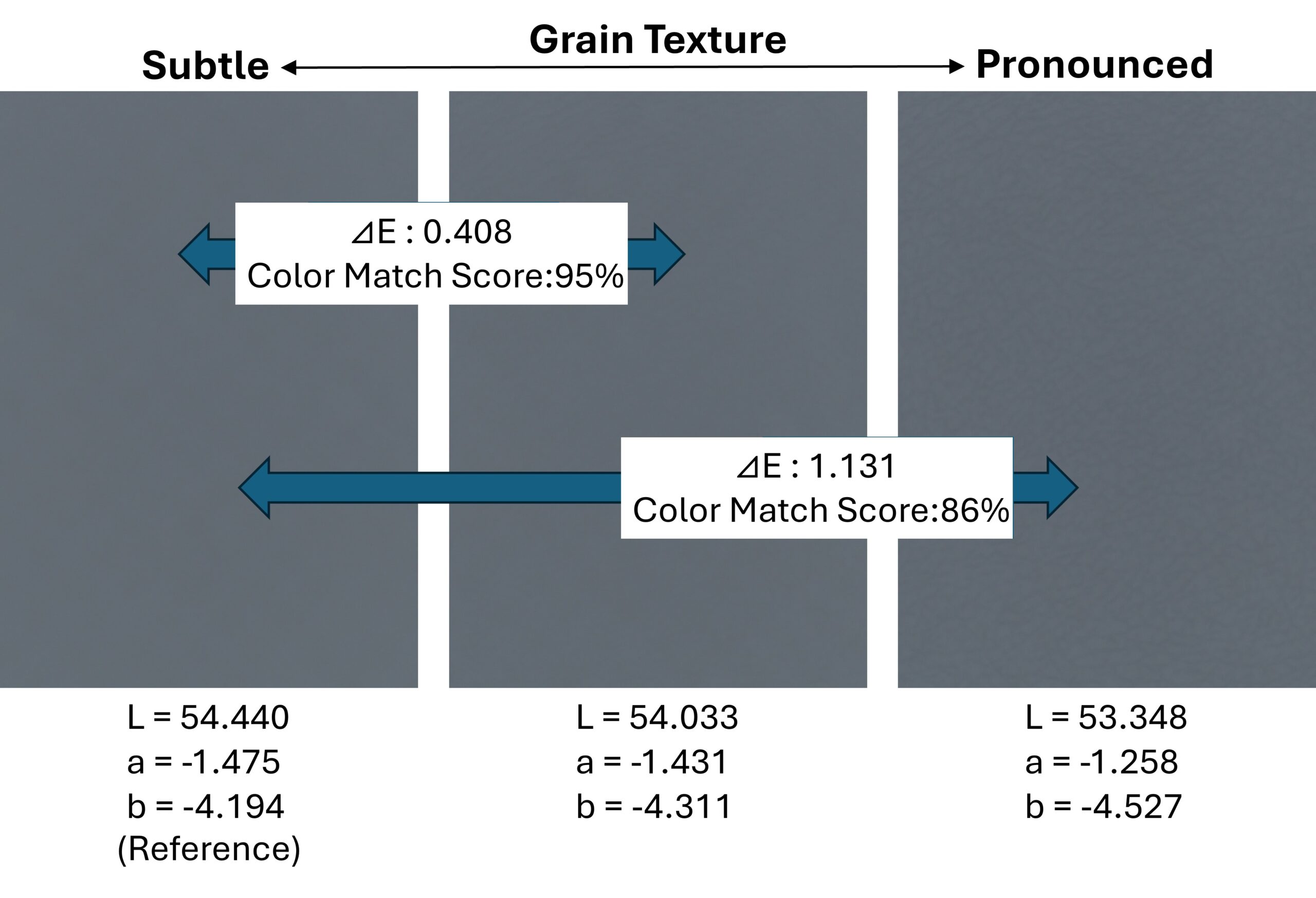
Using diffuse lighting reduces the influence of shadows and specular reflections caused by the textured surface.
This makes it possible to evaluate the underlying material color under more stable conditions while minimizing the influence of surface appearance.
The resulting data can be used for color difference evaluation and color management, including comparisons between material lots or molding conditions.
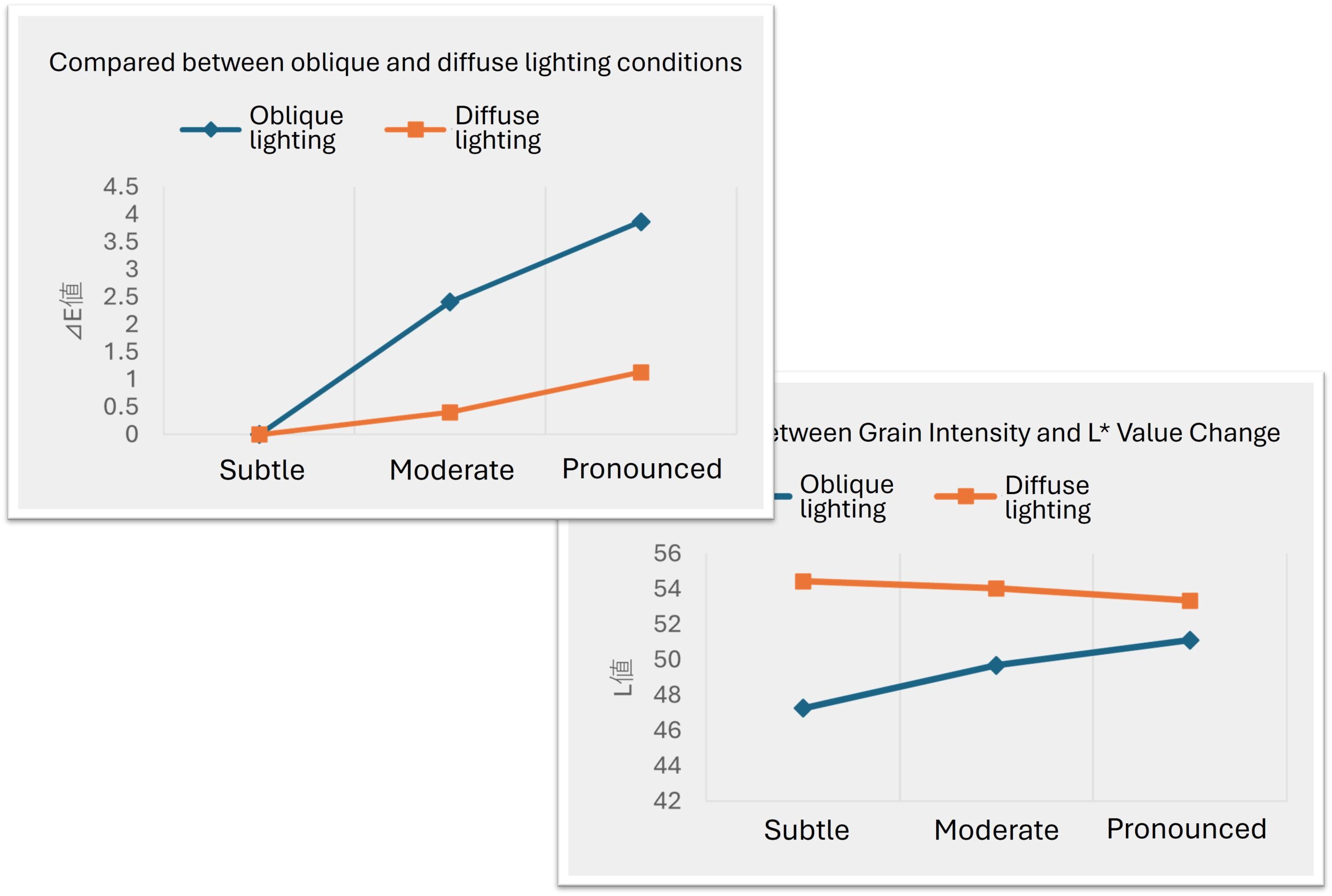
Measurement data can be stored and compared between oblique and diffuse lighting conditions.
This makes it possible to distinguish between color appearance influenced by surface texture and the underlying material color.
For example, two samples may appear noticeably different under oblique lighting even when their underlying material colors are similar. Conversely, a difference in the underlying material color may contribute to a visible difference in appearance.
Comparing results under different lighting conditions provides a more quantitative basis for investigating the factors that influence surface appearance.
Contact
Please feel free to contact us with any inquiries regarding our products, pricing, or quotations.
We also accommodate requests such as “I would like to see how measurement works in practice.”
Trial measurements are available, allowing you to experience actual measurement results firsthand.