High-Resolution Color Sensor
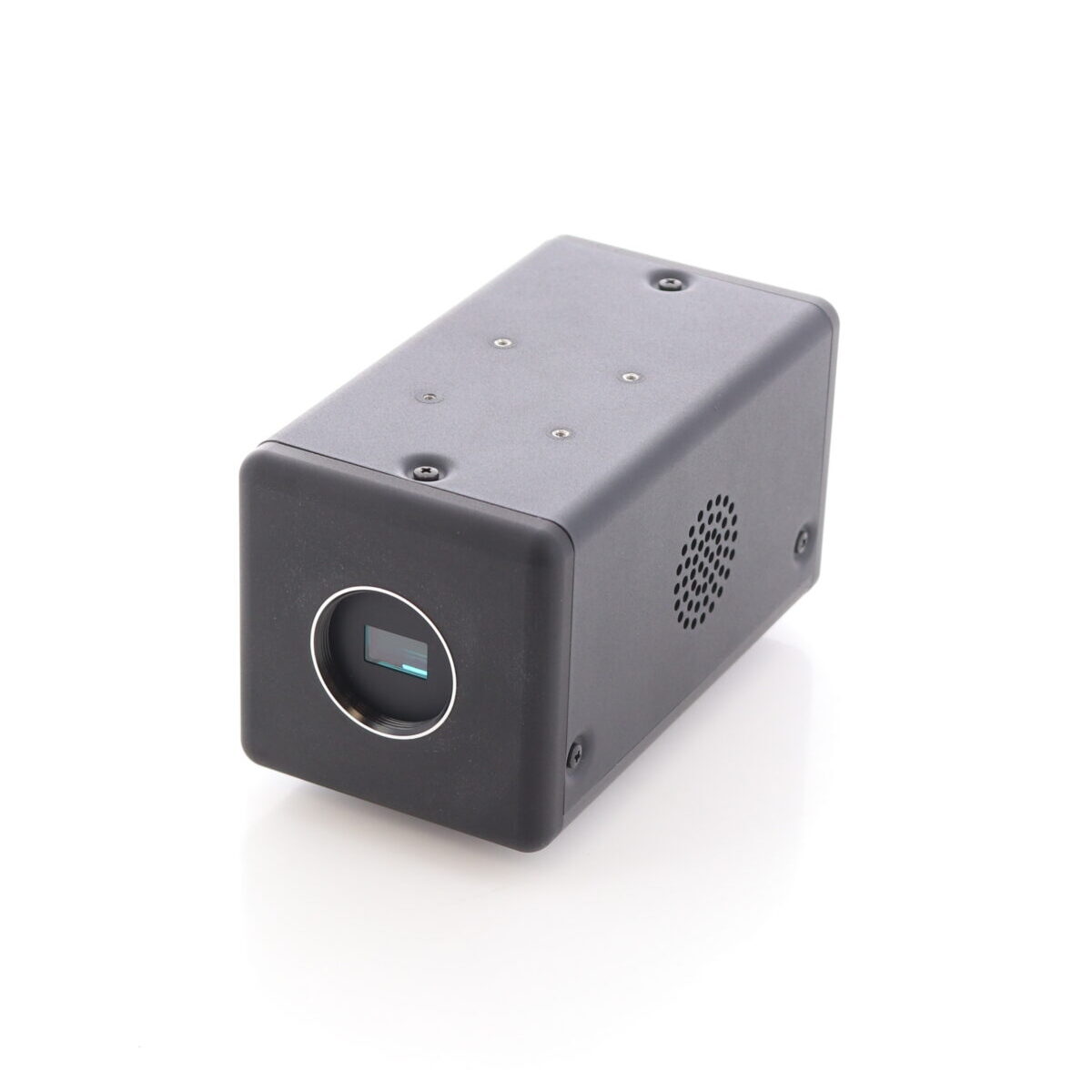
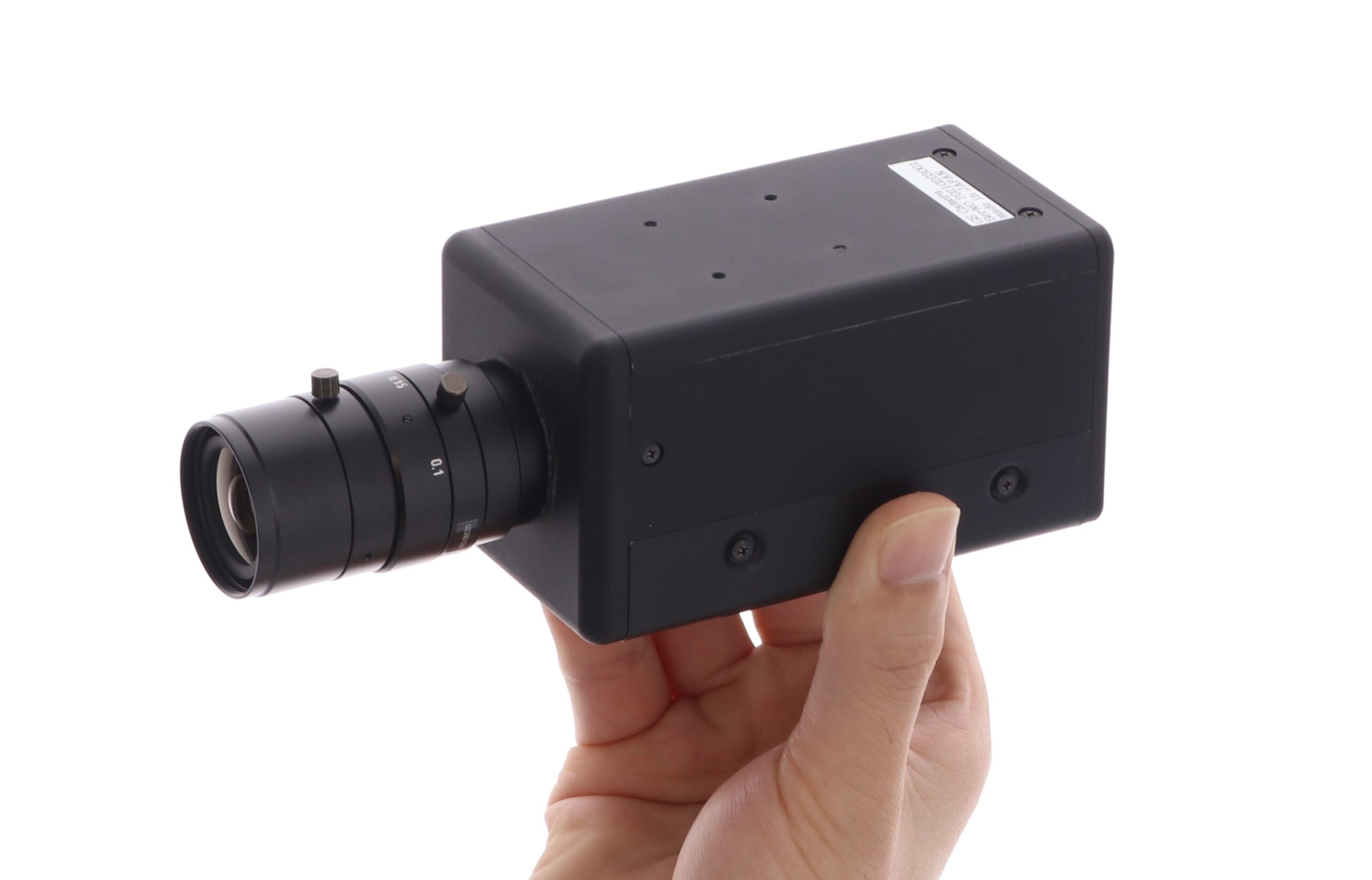
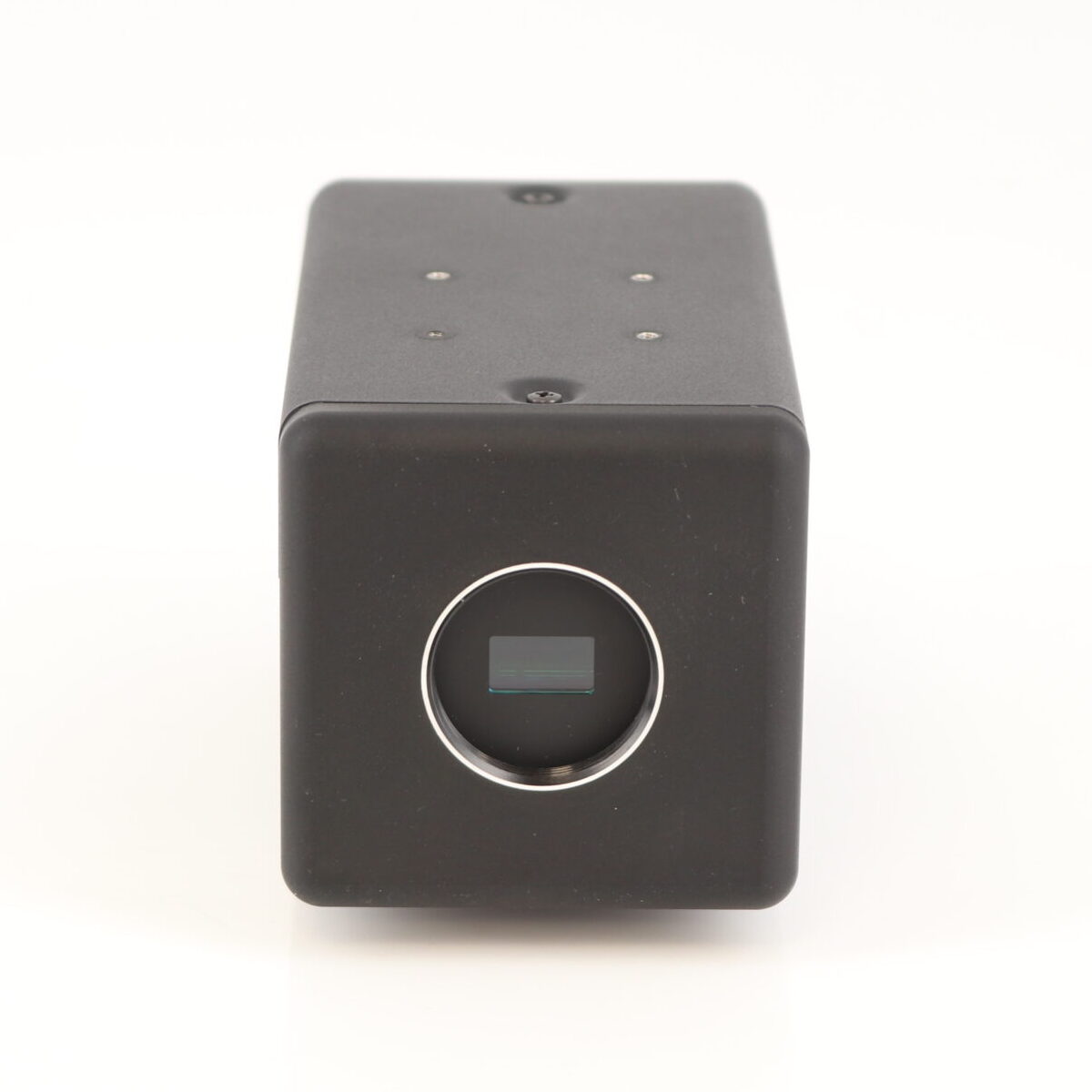
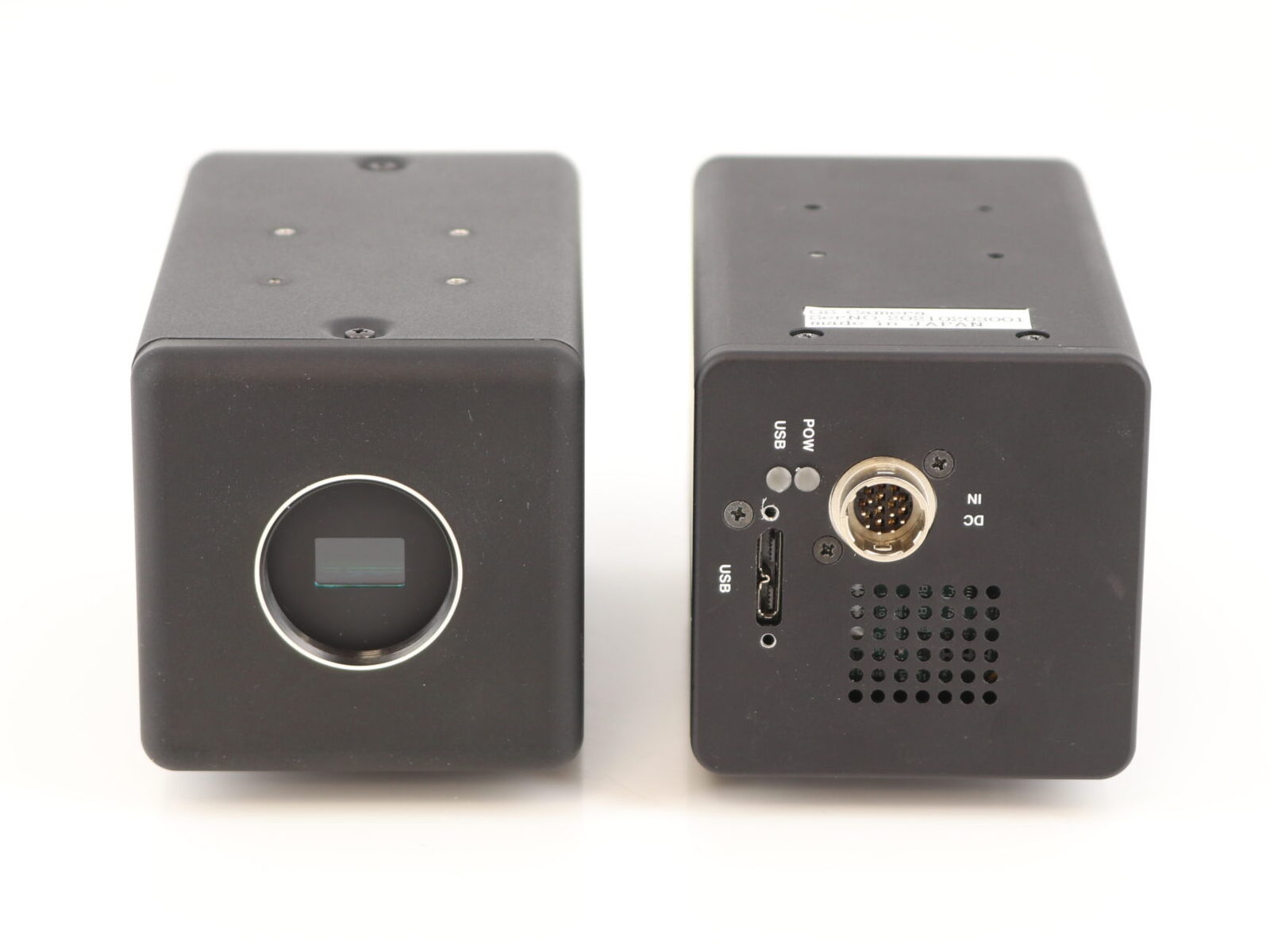
High-Resolution Color Sensor RC-4000
Capture Even Subtle Visual Differences — A Camera-Based Color Sensor for Objective Evaluation of Color and Appearance
#New Product
#High Precision
#Inline
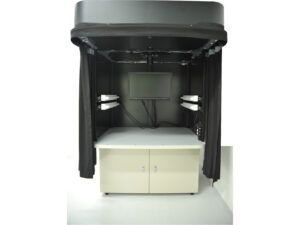
The RC-4000 is a camera-based color sensor equipped with dedicated optical filters designed to approximate the spectral sensitivity of human vision.
It captures high-resolution images in a single shot and records color information at the pixel level, enabling precise quantification of subtle color differences as well as variations in pattern and surface appearance.
Captured image data can be analyzed using dedicated software. Because color can be evaluated across an entire area, visual differences such as color unevenness and blurred boundaries can be objectively quantified using numerical data.
All measurement data can also be stored digitally for comparison with reference samples, measurement history tracking, and traceability. This helps standardize quality control processes and supports digital transformation. The RC-4000 can also be integrated into inspection systems or used for research and development applications.
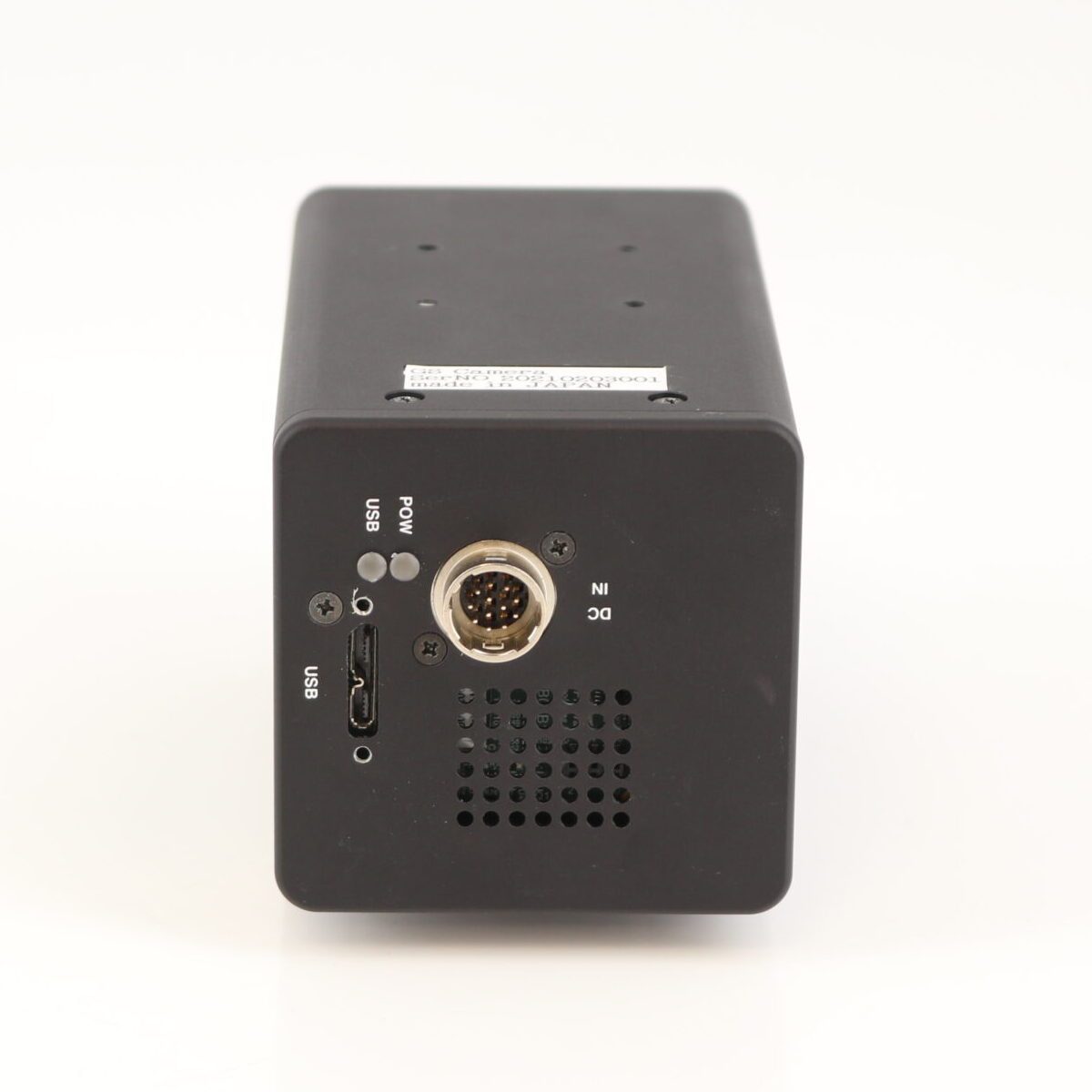
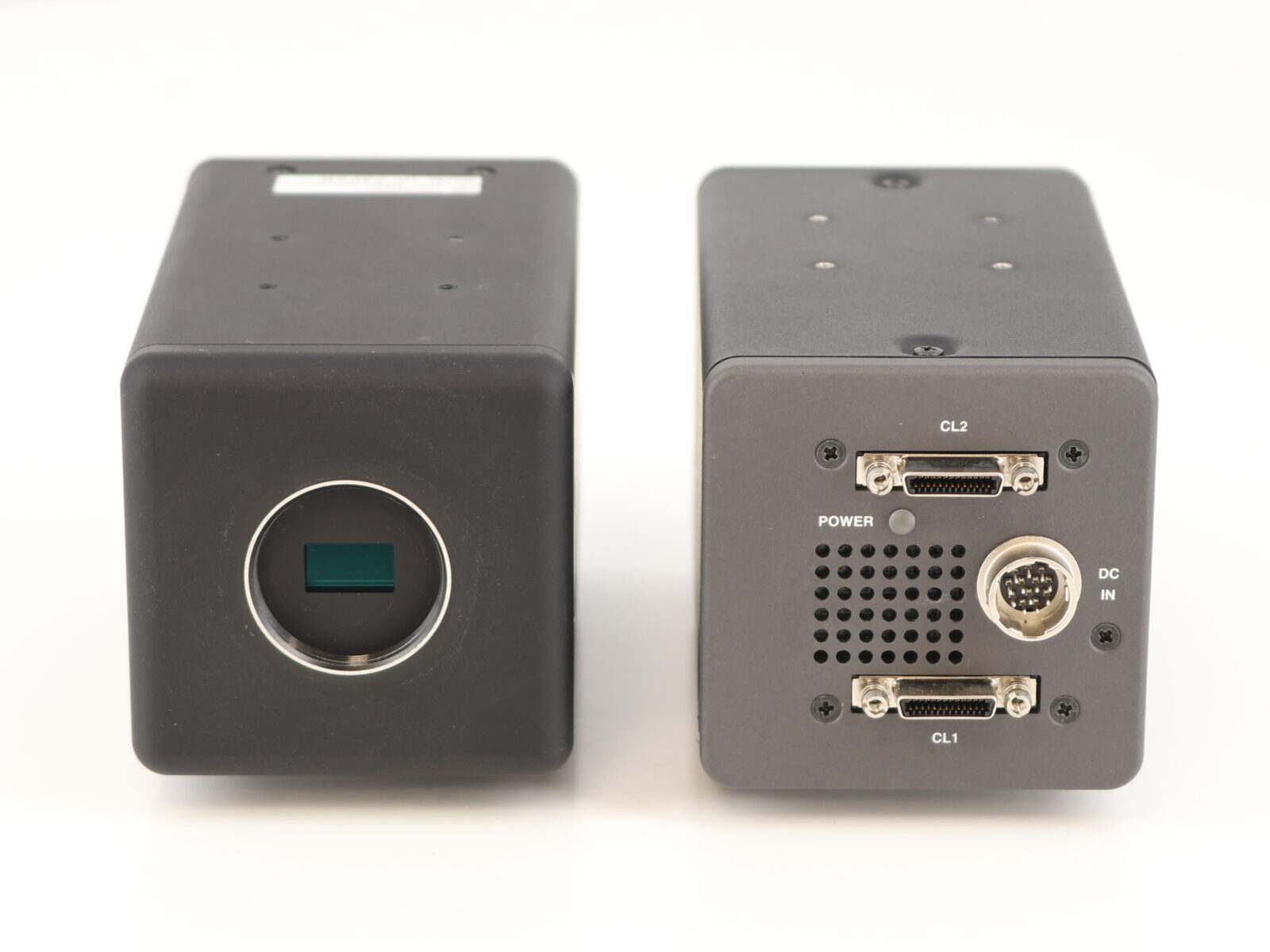
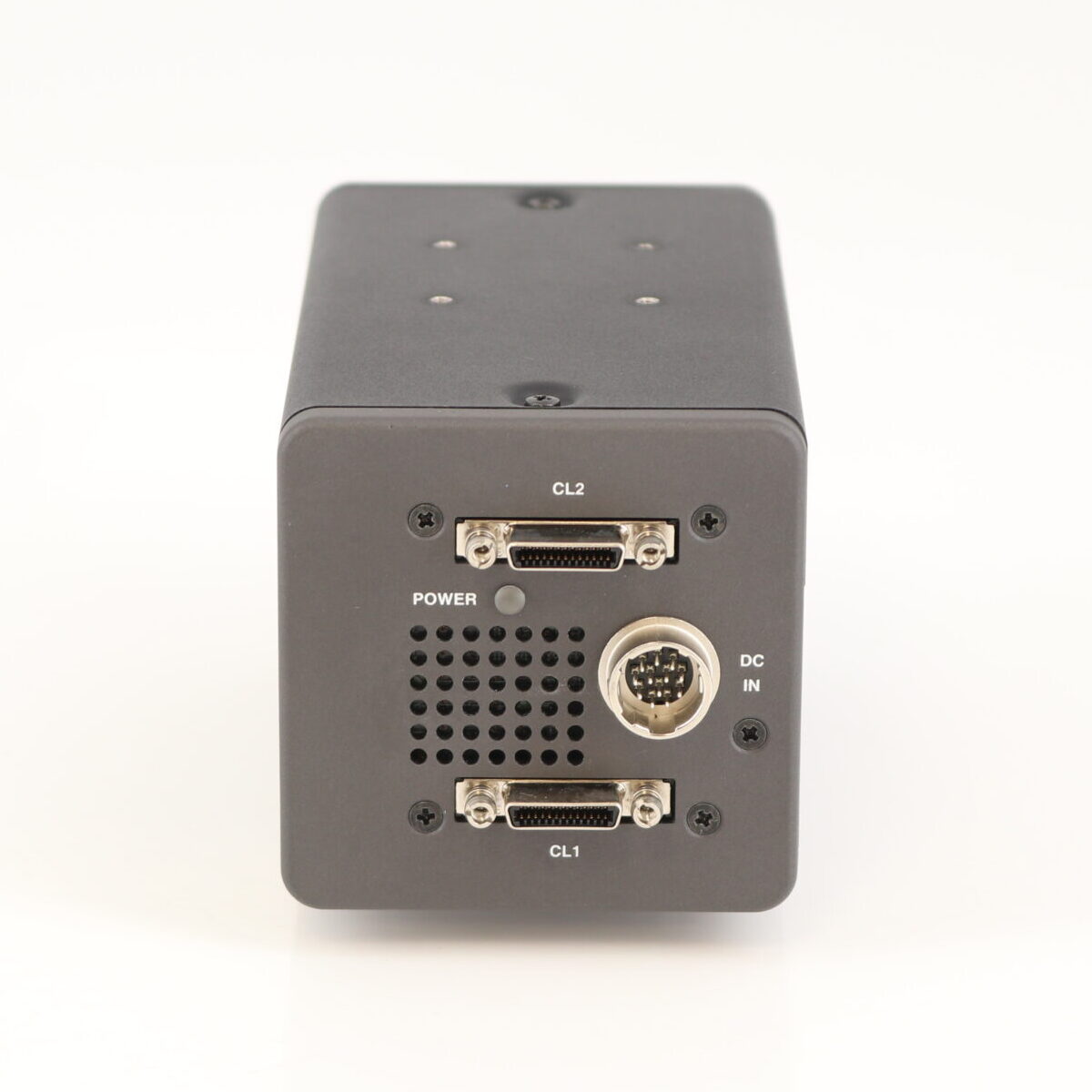
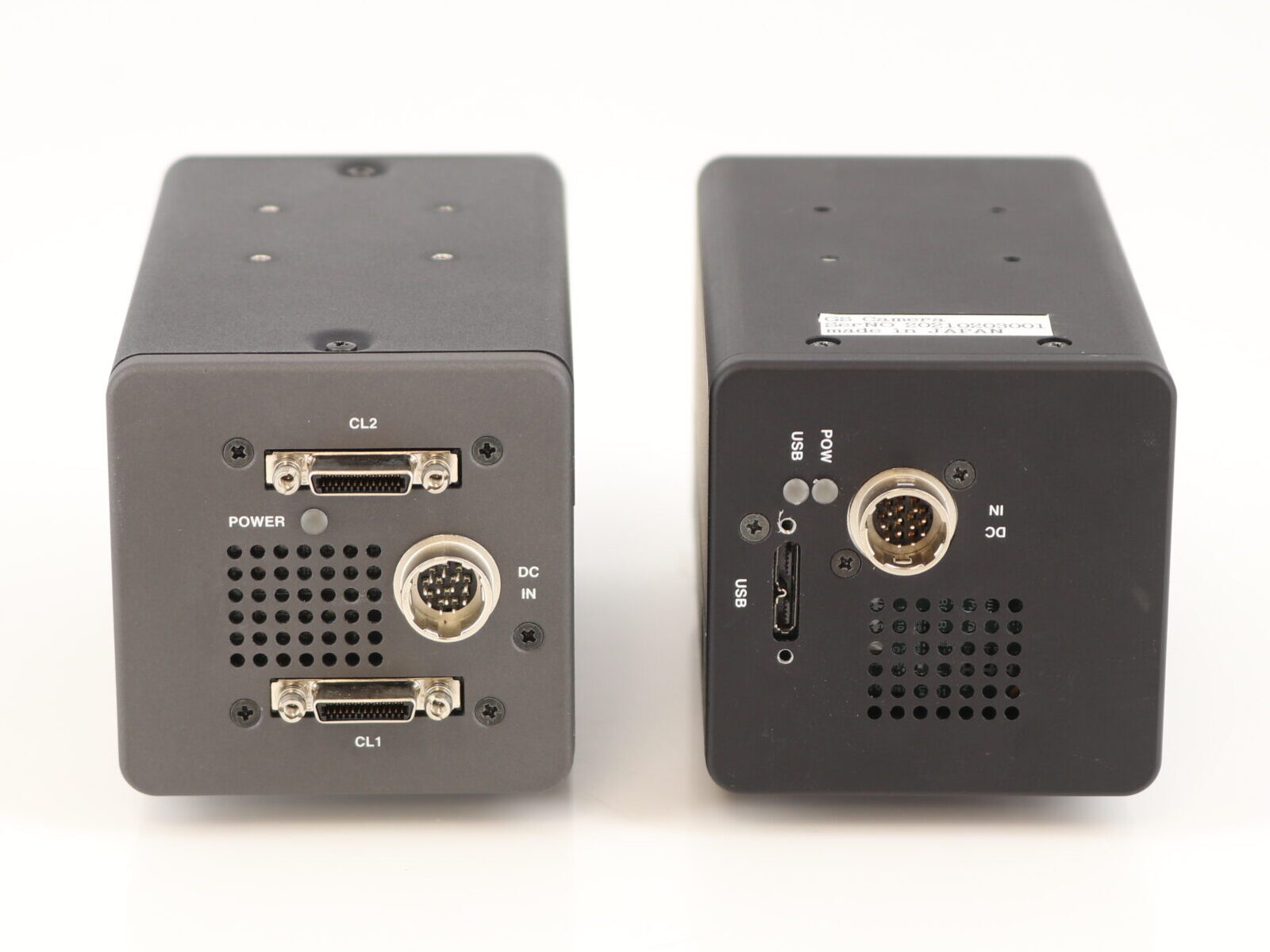
Features
1. Analyze Color and Surface Appearance Across a Wide Area with High Resolution
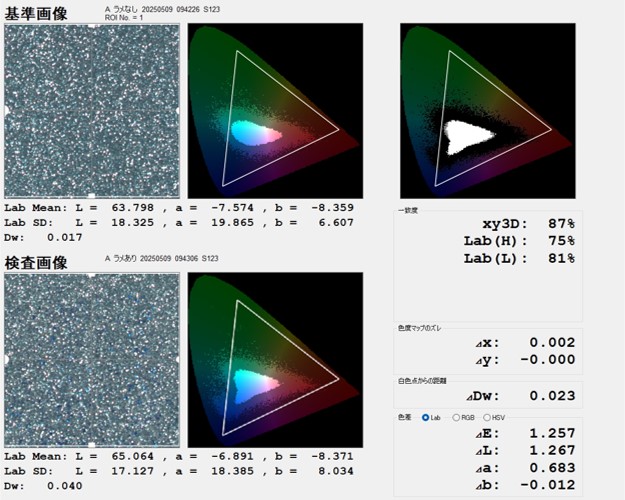
The RC-4000 is equipped with a 12-megapixel image sensor, enabling detailed color information to be captured across a wide measurement area.
Captured color data can be plotted in the L*a*b* color space, allowing differences in surface appearance associated with surface irregularities, texture, and gloss to be visualized and quantified through color distribution and tonal patterns.
By evaluating variations in appearance using both images and numerical data, the system helps improve the consistency and reliability of inspection.
Consistent analysis is also possible for samples with complex patterns and surface characteristics.
2. Non-Contact, Non-Destructive Measurement
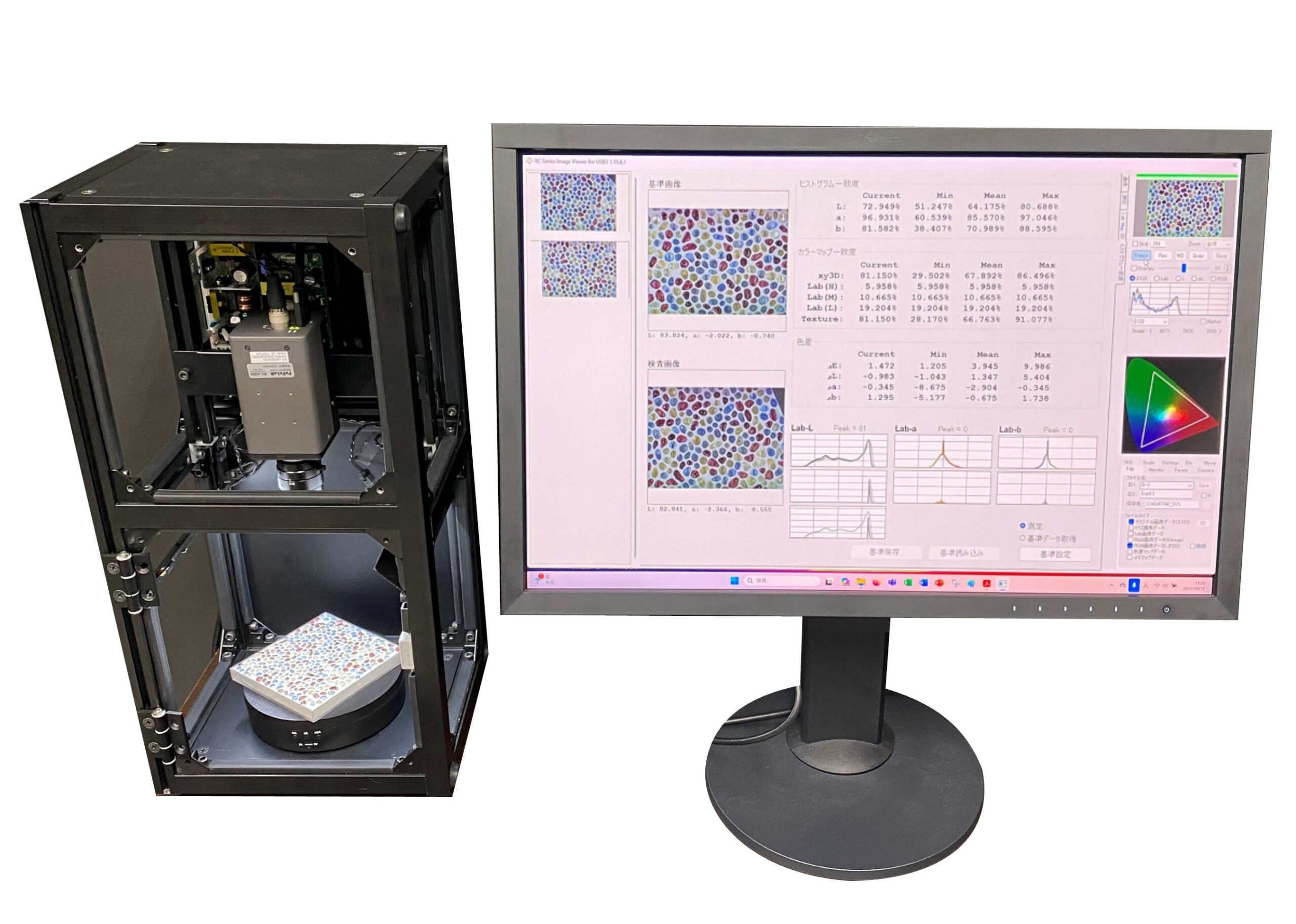
Color and surface appearance can be measured simply by capturing an image, without the need to touch the sample.
This makes the RC-4000 suitable for samples that can be difficult to measure with conventional spectrophotometers, including foods, liquids, soft materials, and finished products that should not be scratched or damaged.
A wide range of samples can therefore be evaluated easily while minimizing physical contact and potential damage.
3. Real-Time Measurement to Capture Changes as They Occur
High-speed image capture and measurement can be performed in real time.
Changes in color and surface appearance can be monitored in real time while the measurement process is automatically recorded.
Even subtle changes that are difficult to identify through visual evaluation alone can be tracked using both numerical data and images, helping improve the efficiency of quality control and evaluation processes.
Related Links
Color Inspection and Digital Transformation (DX)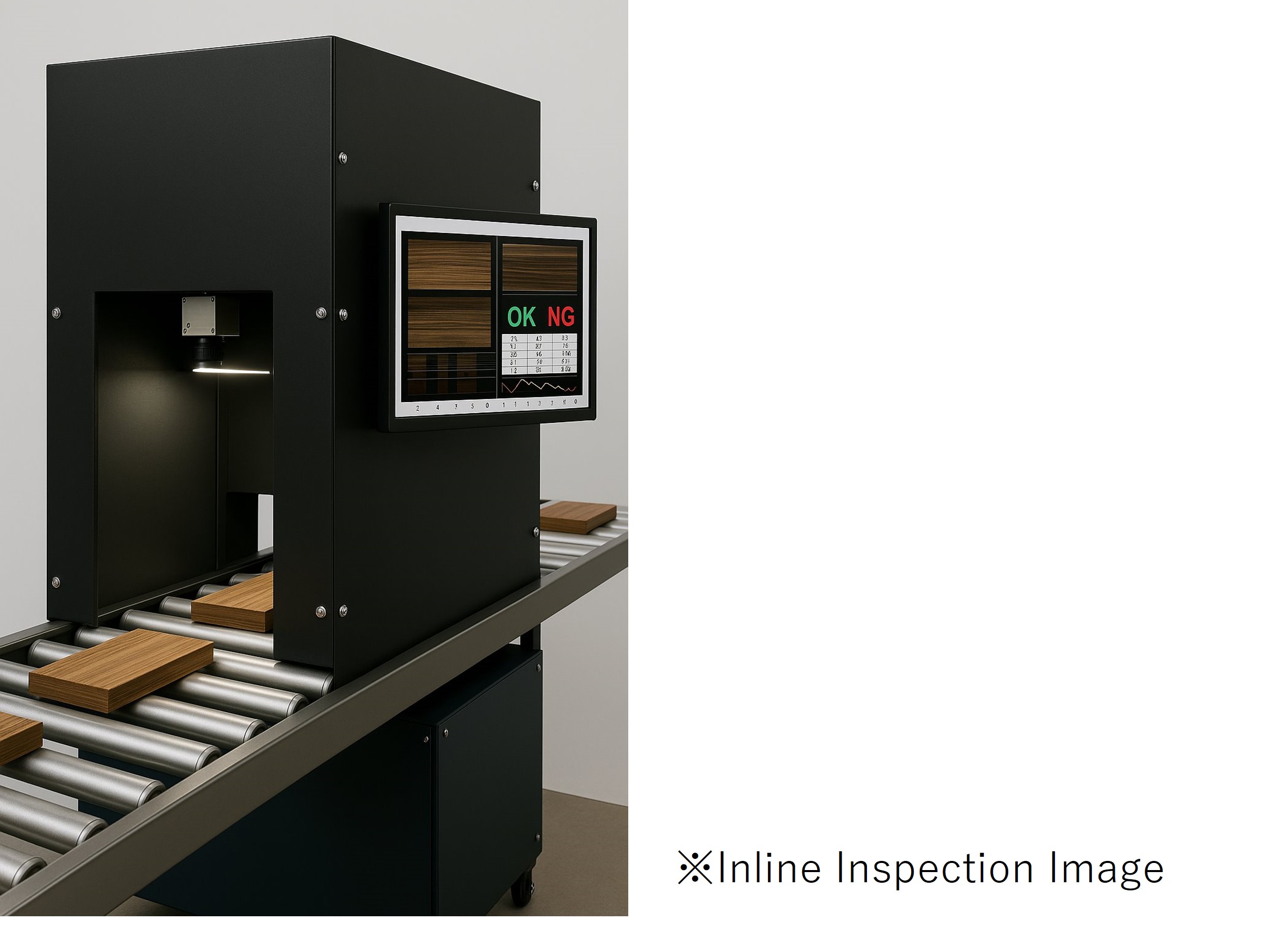
4. Quantify Subtle Visual Differences with Color Sensitivity Designed to Approximate Human Vision
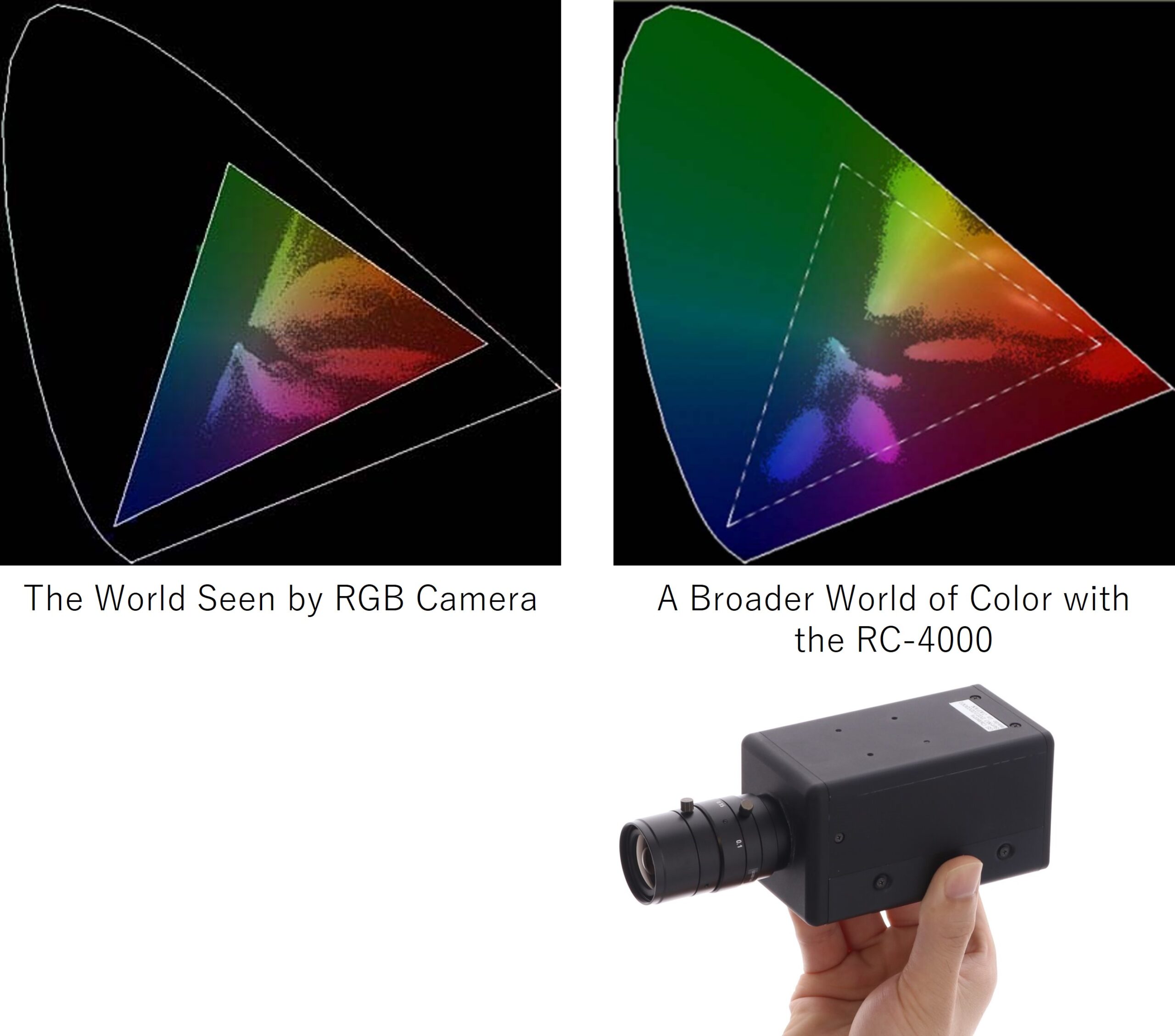
Conventional RGB cameras capture color according to their own spectral sensitivity characteristics. Because these characteristics differ from human visual sensitivity, the recorded color may not always correspond closely to human visual perception.
Spectrophotometers, on the other hand, can precisely measure spectral reflectance across a range of wavelengths. However, because they typically perform point-based measurement, they do not capture the spatial distribution of color and unevenness across an entire surface in a single measurement.
PaPaLaB’s 2D color measurement system uses proprietary optical filters designed to approximate the spectral sensitivity of human vision. This enables the system to capture and quantify color across an entire surface while maintaining spectral characteristics designed to approximate human visual sensitivity.
As a result, subtle differences in appearance and color unevenness that have traditionally been difficult to quantify can be evaluated using both images and numerical data.
Contact
Please feel free to contact us with any inquiries regarding our products, pricing, or quotations.
We also accommodate requests such as “I would like to see how measurement works in practice.”
Trial measurements are available, allowing you to experience actual measurement results firsthand.