Color and Its Impact on Business — How Visual Appearance Can Influence Perception, Value, and Trust
PaPaLaB Color
Measurement
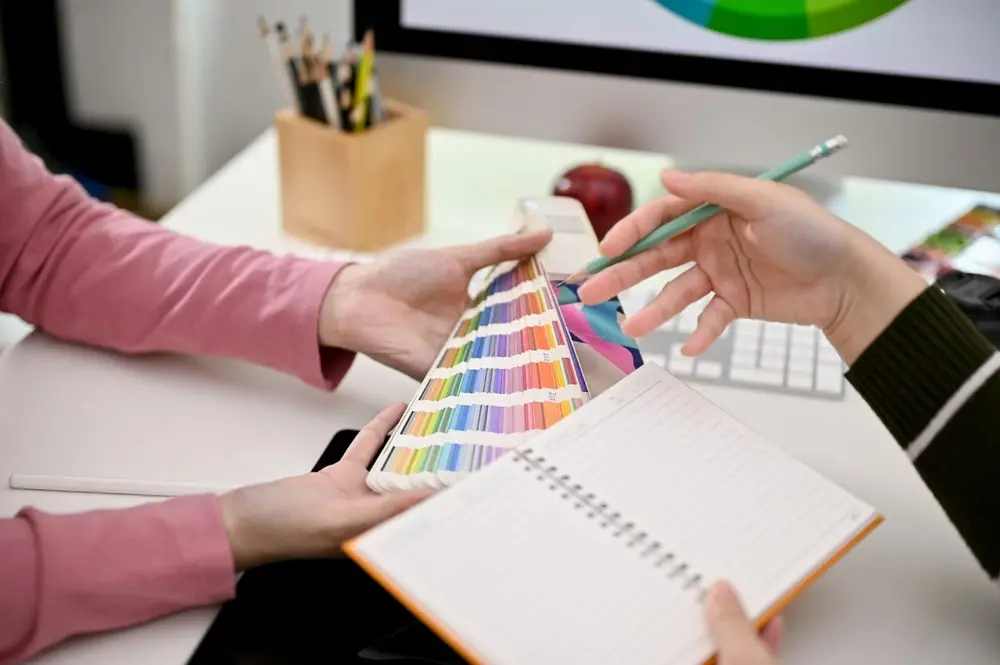
From products and packaging to advertisements, websites, and in-store displays, color plays an important role in business.
It is not simply a form of visual decoration. Color can influence how people feel, what they notice, and even how they behave.
Behavioral economics suggests that human decision-making is not always purely rational. In many cases, our choices are strongly influenced by impressions and emotions. Color is one of the visual elements that can shape first impressions and influence purchasing decisions.
This page explains how color influences business and why accurate color measurement is essential for managing that influence effectively.
Contents
How Color Can Influence Human Judgment — A Behavioral Economics Perspective
In everyday life, color constantly influences our impressions, often without our conscious awareness.
The concept of System 1 thinking in behavioral economics describes how many human judgments are made quickly and intuitively, based on immediate impressions rather than deliberate analysis.
Color is one of the elements that can strongly influence those impressions.
For example:
– Red and orange can attract attention and create impressions of energy and activity.
– Blue and green are often associated with trust, calmness, and sincerity.
– White and gray can convey cleanliness, refinement, and sophistication.
These associations are not universal and can vary depending on culture, context, and the way the color is used.
In this way, color can influence emotions and perception, meaning that even subtle differences in color usage may affect how a product or brand is received by customers.
What Is CMF Design? — Designing for Sensory and Emotional Value
In recent years, CMF (Color, Material, and Finish) design has gained increasing attention.
CMF design considers not only color, but also material properties, texture, and surface finish.
The goal is not simply to make a product look attractive.
CMF design takes into account emotional responses such as:
– satisfaction when holding a product
– confidence and comfort while using it
– a sense of pride in owning it
Color is naturally one of the central elements of CMF design. However, the impression created by a color can change significantly depending on the materials, textures, and finishes used with it.
For this reason, quantitative color measurement and management play an important role in maintaining color consistency within CMF design.
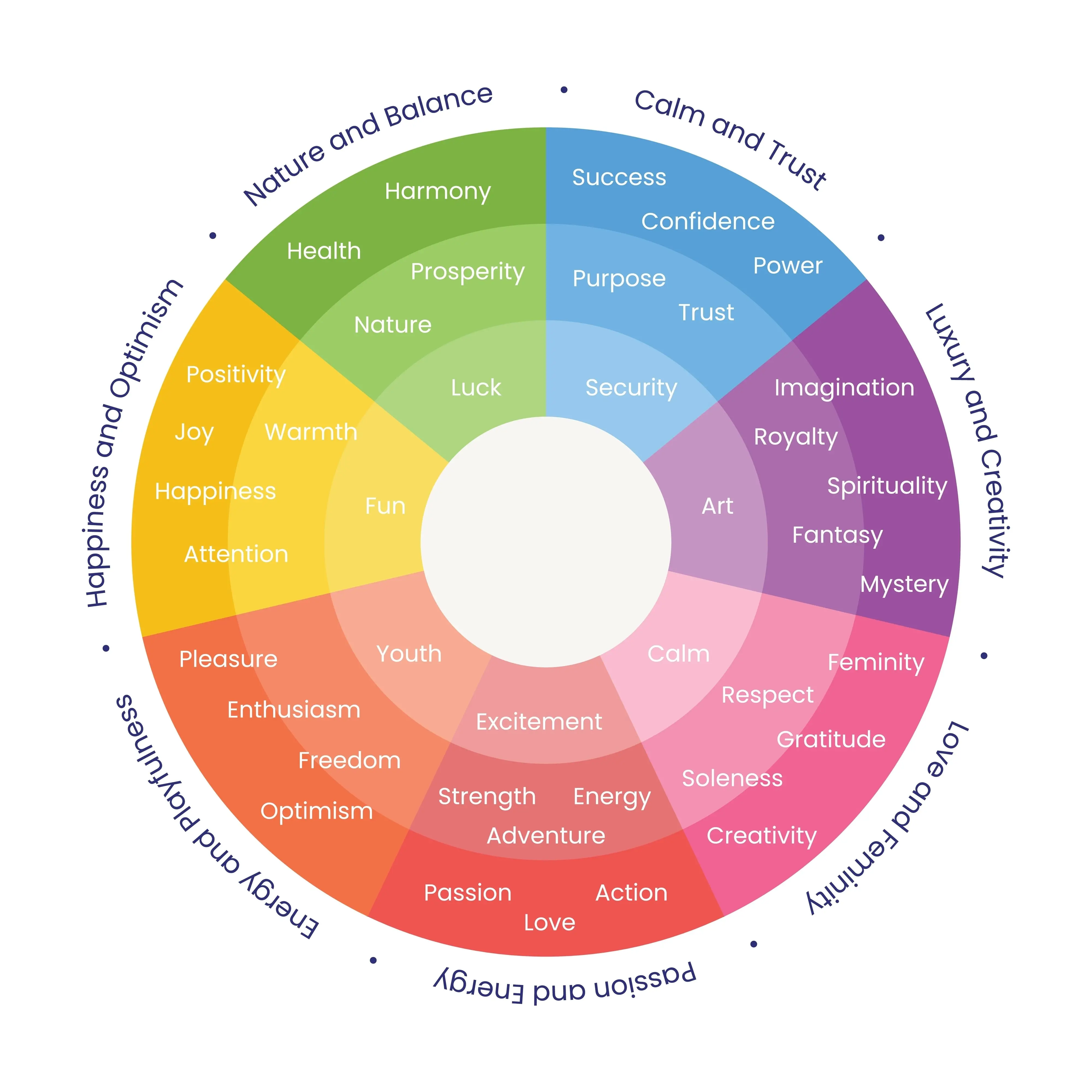
Color Psychology Wheel: Typical Emotions and Psychological Impressions of Each Color
The Impact on Brands and Purchasing Behavior — How Color Consistency Supports Trust and Perceived Value
Brand logos, packaging, products, advertisements, and other visual elements all contribute to the customer’s perception of a brand.
Even small inconsistencies in color can create impressions of poor quality, lack of attention to detail, or unreliability.
For example:
– The packaging color of a premium cosmetic product varies slightly from one production lot to another.
– Different materials used in a home appliance cause visible color inconsistencies between components.
– The color shown in an e-commerce product image differs significantly from the actual product, resulting in returns or customer complaints.
– Interior materials such as wallpaper or carpet show slight color differences where adjacent sections meet.
– Leather or fabric used in automotive seats or furniture shows uneven color where materials are stitched or joined together.
When materials are placed directly next to one another, even subtle color differences can become much more noticeable.
These differences can significantly affect the perceived quality, refinement, and overall finish of a product.
Color inconsistency is therefore more than a cosmetic issue. It may be perceived as a quality defect and can negatively affect the overall brand experience.
Visual appearance can contribute to customers’ intuitive judgments about the quality and reliability of a product or brand.
In other words, color is not merely a decorative element. It is an important design element closely related to product quality, brand value, and customer satisfaction.
This is particularly important for products assembled from multiple components or materials, where strict color management is necessary to maintain visual consistency across the finished product.
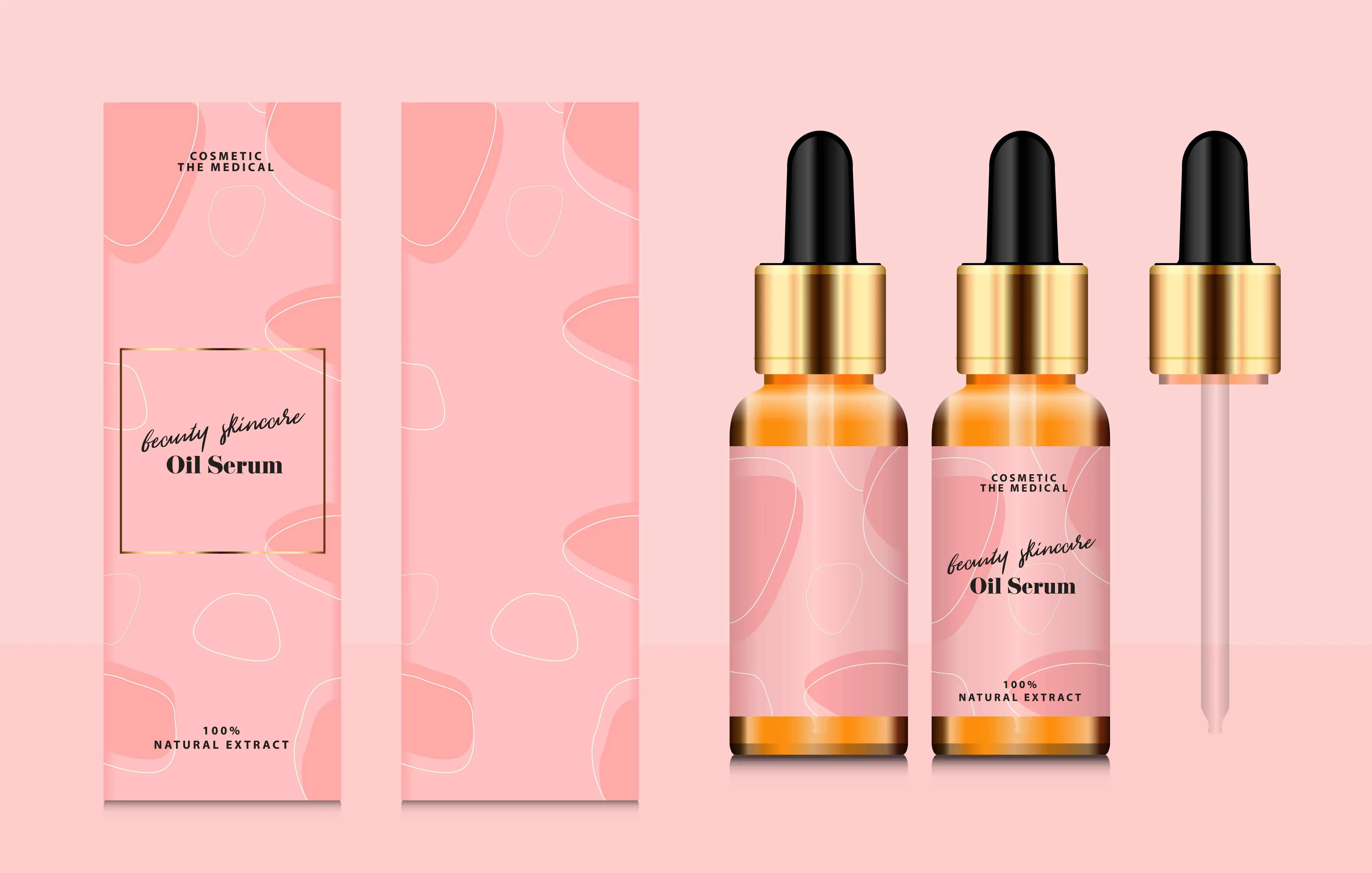
Cosmetic Product and Package Design
Protecting Value Through Objective Color Measurement — The Role of Color Measurement
The appearance of color can change depending on lighting conditions, materials, surface characteristics, and individual differences in visual perception.
For this reason, relying solely on visual evaluation for color management can lead to inconsistent results.
This is where color measurement becomes important: measuring color objectively, expressing it numerically, and managing it according to defined criteria.
PaPaLaB provides color measurement instruments and software that support the L*a*b* color space, which is designed so that numerical color differences more closely correspond to perceived visual differences.
Our solutions help address challenges such as:
– Quantifying and managing brand colors so that color standards can be shared internally and externally.
– Comparing product colors with reference colors and identifying differences objectively using ΔE.
– Evaluating measured color differences between different materials and supporting color matching while also considering differences in surface appearance.
– Using measurement data to verify color consistency across packaging, printed materials, and finished products.
By doing so, companies can support consistent product appearance, quality control, and brand management with objective data rather than relying solely on human perception.
Summary
Color can influence human judgment and plays an important role in both brand experience and purchasing behavior.
In an era where products are increasingly designed around sensory and emotional value, as represented by CMF design, the goal is not simply to achieve visual uniformity, but to maintain a consistent overall impression.
To achieve this, color needs to be measured, expressed numerically, and managed systematically.
Through its color measurement technologies, PaPaLaB helps objectively evaluate differences between intended and actual product color, supporting more consistent product appearance and brand presentation.
Contact
Please feel free to contact us with any inquiries regarding our products, pricing, or quotations.
We also accommodate requests such as “I would like to see how measurement works in practice.”
Trial measurements are available, allowing you to experience actual measurement results firsthand.